

29 Jul The Forgotten Tobacco Traditions That Still Influence Modern Cigars
The Forgotten Tobacco Traditions That Still Influence Modern Cigars
Modern cigars often look like the product of a polished, global luxury industry, but their character is still shaped by older tobacco traditions that were never fully left behind. Long before humidors, branded bands, and tasting notes became familiar, tobacco was handled as a crop, a ritual object, a trade good, and a social marker. Many of those older habits survive in quieter ways, hidden inside the choices growers make, the methods rollers trust, and the expectations smokers still bring to the experience.
That history matters because cigars are not simply manufactured goods. They carry memory in their leaves, in the way tobacco is cured, fermented, sorted, and blended, and in the cultural meanings attached to them. Some traditions were born from necessity, others from ceremony, and many from the practical wisdom of people who worked tobacco for generations. Even when modern cigar makers use advanced tools, they still inherit ideas about patience, balance, provenance, and respect for the leaf. 
What makes these forgotten traditions especially interesting is that they are not frozen in museums. They continue to influence how cigars are grown in the Dominican Republic, Nicaragua, Honduras, and other producing regions, and they also shape the language of premium cigar culture in cities far from the fields. The old world is still present in the new one, sometimes visibly, sometimes as a quiet assumption about what a cigar should be. Understanding that continuity reveals why so many modern cigars feel familiar even when they are marketed as innovative.
From Field Knowledge to Finished Leaf
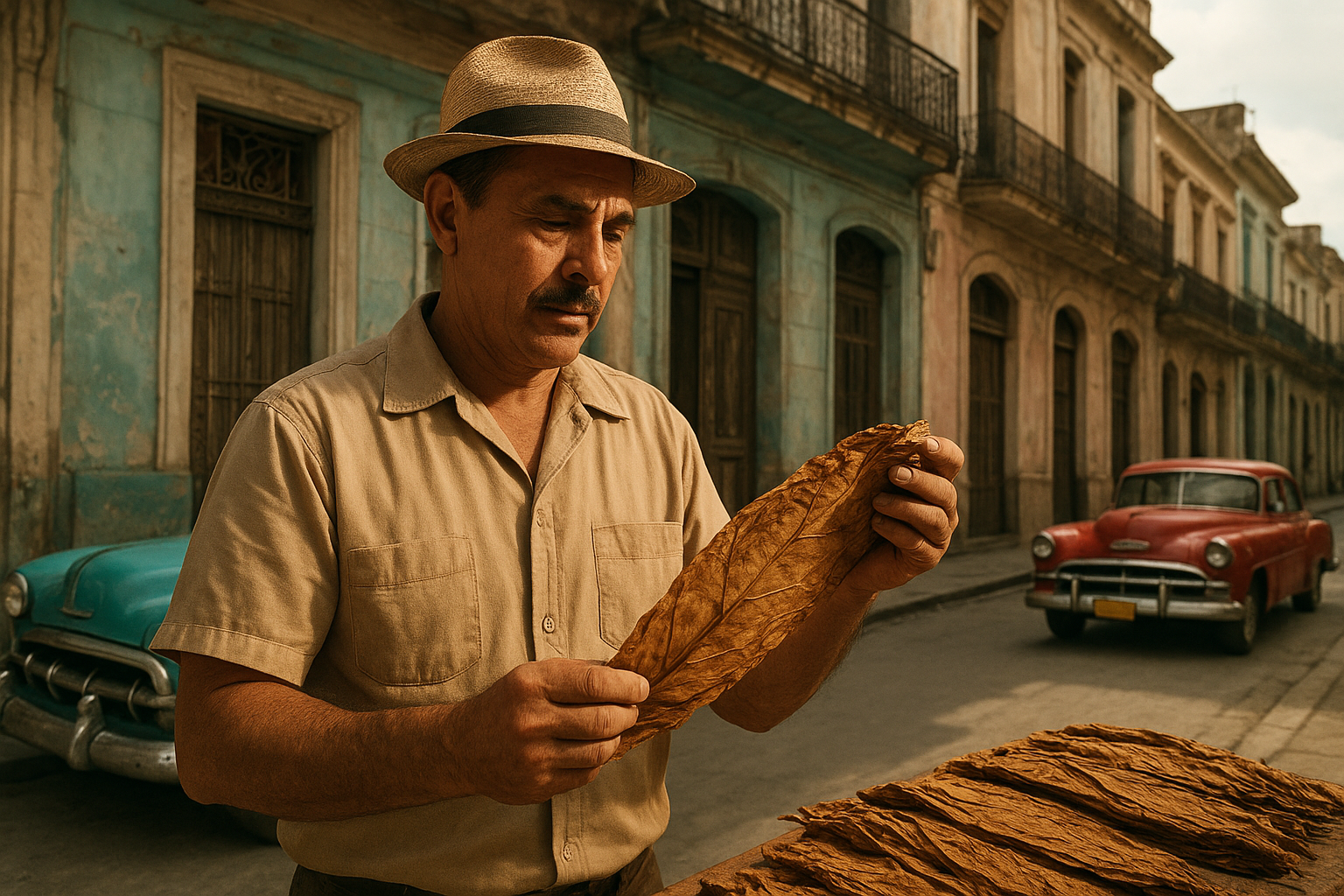
The oldest tobacco traditions began in the field, where the first lesson was not style but survival. Growers learned to read soil, rain, wind, and shade with the kind of attention that only comes from repeated seasons. In many regions, tobacco was treated as a crop that demanded intimate knowledge rather than broad technique. Leaves were harvested at different heights, at different moments of ripeness, because each position on the plant produced a different strength and texture. That practical observation still sits at the heart of cigar making today.
Modern cigar tobacco is still organized around those field-level distinctions. A wrapper leaf must be smooth, elastic, and visually clean, while binder and filler leaves can be selected for combustion, aroma, and structure. Those categories may sound technical now, but they grew from older habits of sorting tobacco by feel and purpose. Farmers and workers knew that not every leaf belonged in the same place. The tradition of matching leaf to function remains one of the most important reasons premium cigars can feel so balanced and layered.
Shade growing is another tradition with deep roots. It was never only about producing prettier leaves. Shade altered the pace of growth, softened the leaf, and created the supple texture prized for wrappers. Today, that method still shapes many of the most elegant cigars, especially those that rely on a refined exterior rather than brute strength. The same is true of curing barns, where tobacco is slowly transformed from a living plant into a workable raw material. The process is old, but the principle is unchanged, because rushing tobacco usually damages what makes it valuable. 
Fermentation, too, carries the weight of tradition. In many tobacco cultures, fermentation was understood as a necessary act of refinement, a way to calm harshness and reveal depth. Workers learned that heat, moisture, and time could change a leaf’s personality more effectively than any mechanical treatment. That knowledge still guides modern cigar production, where fermentation is not a decorative step but a defining one. It influences burn, aroma, and smoothness, and it also preserves a sense of craftsmanship that consumers often recognize even if they cannot name it.
Ritual, Labor, and the Social Life of Cigars
Cigars have always been social objects, and that social role is one of the oldest traditions still visible today. In many tobacco-growing communities, cigars were tied to milestones, negotiations, celebrations, and moments of rest after hard labor. They were not merely consumed; they were shared, offered, and used to mark a change in status or mood. That habit survives in modern cigar culture, where a cigar still often signals time set apart, whether for a wedding, a promotion, a deal, or a private evening of reflection. The ritual remains powerful because it gives the cigar a role beyond nicotine.
The labor behind cigars also shaped their meaning. Rolling tobacco by hand was historically skilled work, and the respect given to experienced rollers came from the precision their craft demanded. A good roller did not just assemble leaves. They managed tension, airflow, and consistency with practiced hands. That tradition continues in premium cigar factories, where hand-rolling is still a central part of the brand story. Consumers may admire the finished cigar, but the deeper appeal often lies in knowing that human judgment guided its creation at every stage.
There is also a forgotten tradition of listening to the leaf. In older workshops, workers judged tobacco by touch, sound, and smell long before formal grading systems became standard. A leaf that crackled too sharply, felt too dry, or carried an uneven aroma could signal trouble later in the process. Those sensory habits are still present in modern quality control, even when they are supported by better equipment and stricter standards. The best cigar makers still trust the senses, because tobacco remains a living material long after harvest.
Regional customs have also left a lasting mark on cigar identity. In some places, tobacco was intertwined with hospitality and ceremony. In others, it was linked to trade routes, migration, and family businesses that passed knowledge across generations. That cultural layering helps explain why cigars today feel both local and international. A cigar may be sold in a sleek shop in London or Miami, yet its logic often comes from older, place-based traditions that valued patience, reputation, and continuity.
Old Blending Ideas in a Modern Market
Blending is where forgotten traditions become especially visible, because modern cigar blends still reflect older ideas about harmony and purpose. Tobacco workers once aimed to create leaves that complemented one another rather than competed. Strength, sweetness, aroma, and combustion had to work together. That philosophy survives in the way master blenders build cigars today. Even when the market rewards boldness, the most admired cigars usually feel composed, not chaotic. Their complexity comes from balance, which is a very old tobacco value.
One of the most enduring traditions is the use of different primings from the same plant. Lower leaves, middle leaves, and upper leaves each contribute distinct qualities, and that layered approach predates modern branding by centuries. It is still central to premium cigars because it allows makers to shape flavor with precision. Some leaves add body, others add sweetness or spice, and others help the cigar burn evenly. The final result is not accidental. It reflects generations of practical knowledge about how tobacco behaves when combined in specific ways.
Another tradition that still matters is the respect for aging. In older tobacco cultures, time was not seen as wasted. It was part of the product’s transformation. Leaves rested, mellowed, and settled into themselves before they were used. That attitude survives in today’s aging rooms and in the consumer habit of cellaring cigars. Enthusiasts often speak about patience as if it were a luxury, but in tobacco history it was simply common sense. A cigar that has been given time can lose aggression and gain coherence, which is why aging remains a prized part of the experience.
Modern market language sometimes hides these older practices behind terms like craftsmanship, terroir, or limited release. Yet the underlying logic is familiar. Tobacco is still judged by origin, handling, and maturation, not just by marketing. The best brands understand that consumers respond to authenticity because authenticity is rooted in tradition. Even when a cigar is presented as contemporary, it often succeeds by honoring an older model of quality, one that values restraint, consistency, and the quiet authority of well-treated leaf.
Why These Traditions Still Shape the Cigars People Choose
Many smokers today may never visit a tobacco field or a curing barn, yet they still respond to the results of those older traditions. A cigar that draws smoothly, burns steadily, and develops in stages feels trustworthy in a way that is hard to fake. That trust is built on inherited methods. It comes from growers who know when to harvest, workers who know when to ferment, and blenders who know how to combine leaves without flattening their character. The experience feels modern, but the discipline behind it is old.
These traditions also help explain why cigar culture remains emotionally durable. In a fast-moving consumer world, cigars offer a slower kind of pleasure, one that rewards attention rather than speed. That appeal is not accidental. It echoes older tobacco customs in which the product was connected to ceremony, conversation, and measured enjoyment. People still value cigars partly because they preserve that rhythm. They create a pause, and that pause has historical depth. It is one of the reasons cigars continue to feel meaningful rather than merely fashionable.
For readers who want to notice these influences more clearly, the easiest approach is to pay attention to the leaf itself. Look at how a cigar is described, how it feels before lighting, and how it changes as it burns. Notice whether the blend seems built for balance or for force. Those details often reveal the hand of older traditions more clearly than any label or slogan. If you want to explore further, compare cigars from different regions, read about curing and fermentation, and ask how much of the final taste comes from the field rather than the factory. The history is still there, waiting to be recognized.
Sorry, the comment form is closed at this time.