

30 May Designing High-End Events with Authentic Craft Experiences
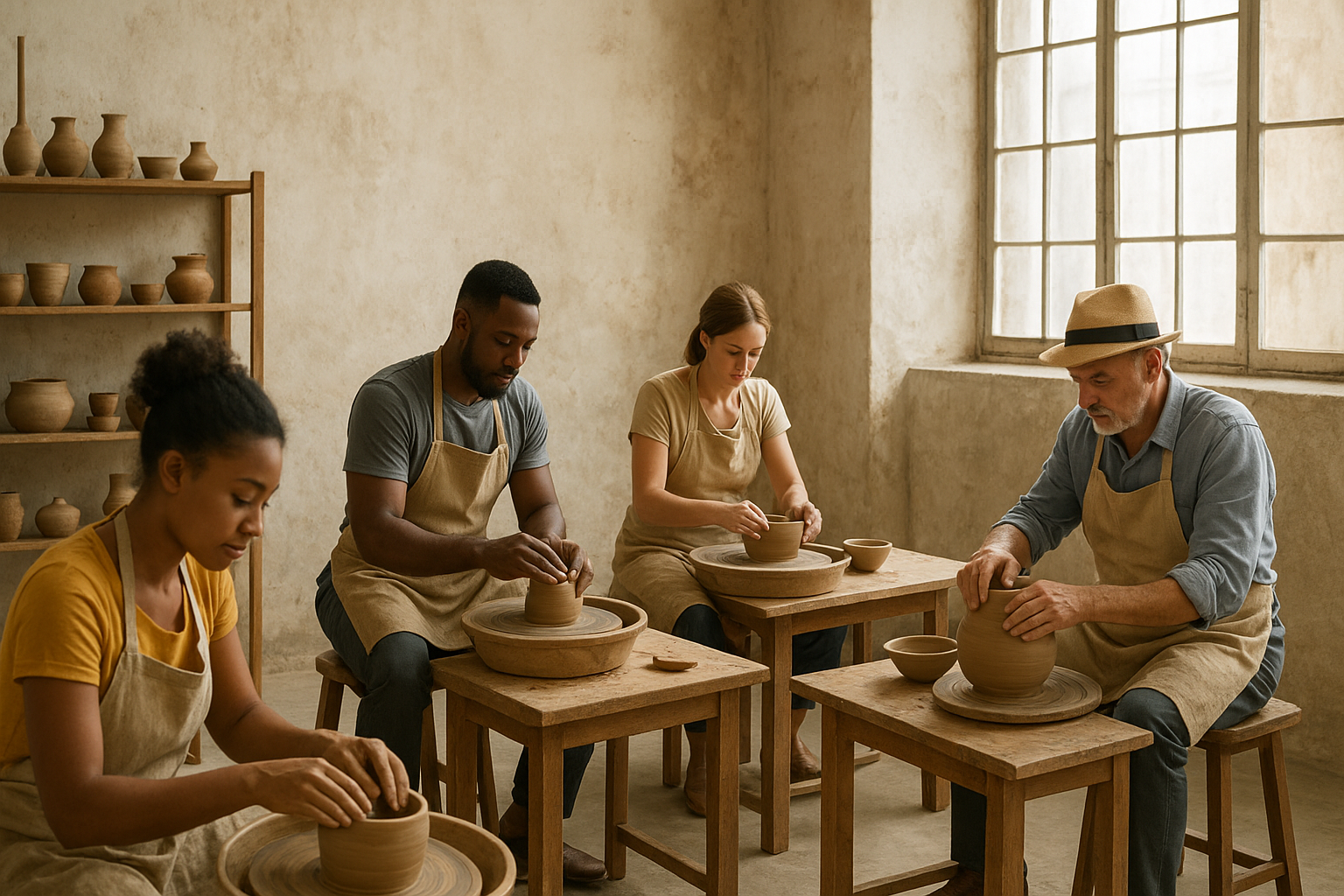
In a world where events often blend into a sea of sameness, crafting something truly memorable demands more than just exquisite décor and gourmet catering. High-end gatherings with a tangible, authentic craft experience offer guests a rare invitation—not just to witness artistry but to immerse themselves in it. From the tactile sensation of shaping pottery under the guidance of a skilled artisan, to the delicate aroma of hand-poured candles, these events become living, breathing celebrations of culture, creativity, and human connection. They transform passive spectators into active participants of tradition, elevating each moment into a story worth telling. This approach redefines luxury not through extravagance alone, but through meaningful engagement, a celebration of heritage and individuality that resonates deeply in an increasingly digital and impersonal world.
Crafting Connection: Engaging Guests Through Hands-On Experiences
The true charm of high-end events that incorporate authentic craft experiences lies in their ability to create personal connections. When guests engage with the creative process—working with their hands, learning new skills, or simply observing traditions passed down through generations—they become part of a narrative larger than themselves. The richness of this interaction goes far beyond typical event entertainment; it fosters empathy, curiosity, and appreciation.
Consider an event where guests can participate in glassblowing, feeling the warmth of molten glass and witnessing how fragile beauty emerges from intense heat. Or imagine savoring a curated tasting of small-batch artisanal cheese while the cheesemaker shares stories of how terroir affects flavor. These moments offer intimacy with craft that invites reflection and conversation.
Moreover, these experiences reveal the value of human skill and patience in a fast-paced society, anchoring luxury in authenticity rather than mass production. This approach encourages a mindfulness that counters the ephemeral nature of many events, making memories that linger. It’s a celebration not just of aesthetic but of process, of care, and of the history embedded within every crafted piece.
Elevating Ambiance with Cultural Storytelling
Beyond the tactile, high-end events designed around craft experiences weave cultural storytelling into every detail, enriching ambiance with layers of meaning. The crafts featured are often deeply rooted in local or indigenous traditions, embodying centuries of history. Sharing these stories amplifies the emotional resonance of the event, making it a journey through time and place as much as a social gathering.
For example, an event inspired by Japanese woodblock printing not only introduces guests to the delicate techniques but also presents the narratives of the artists, the historical significance of the prints, and the philosophy behind the designs. The setting, music, and even serving ware reinforce these themes, creating a holistic environment that envelops guests.
This narrative immersion encourages respect for cultures and crafts that might otherwise feel distant or inaccessible. Rather than mere presentation, storytelling invites attendees to experience the soul behind the craftsmanship, fostering cultural appreciation in a subtle, elegant manner. High-end event planners often collaborate closely with artisans to ensure authenticity, allowing these stories to unfold naturally within the space.

The Art of Curating Authenticity: Balancing Luxury and Tradition
Authenticity in crafting high-end events demands a delicate balance. Luxury tends to evoke images of opulence and exclusivity, while traditional crafts may appear rustic or modest. The challenge—and the art—lies in harmonizing these elements so the experience feels both refined and genuine.
Curators of such events meticulously select artisans whose work embodies traditional techniques but also appeals to refined tastes. Presentation plays a crucial role. For instance, handwoven textiles displayed in minimalist, elegant surroundings highlight the intricacy and finesse of the craft without overwhelming it with extravagance. Similarly, lighting and spatial arrangements focus attention respectfully on the artisans and their work.
Moreover, this balancing act respects the integrity of the craft and the artisans themselves, avoiding commercialization or superficial interpretations. Emphasizing slow craftsmanship over instantaneous production adds value to the event, inviting guests to savor the uniqueness and imperfection that define truly handmade creations. In this way, high-end events become both tributes and platforms for sustaining cultural heritage.

Frequently Asked Questions
- How can authentic craft experiences enhance high-end events?
- Authentic craft experiences add layers of emotional engagement and cultural depth to high-end events. They invite guests to participate actively rather than simply observe, creating meaningful memories through hands-on involvement and storytelling. This fusion of interaction and heritage elevates the event atmosphere, fostering connection, curiosity, and appreciation of both artistry and tradition.
- What types of crafts work best for luxury events?
- The best crafts for luxury events are those that combine visual appeal with cultural significance and allow for guest interaction. Pottery, glassblowing, woodblock printing, handwoven textiles, and artisanal food and beverage tastings often work well. The key is selecting crafts that can be showcased elegantly and authentically, emphasizing process and craftsmanship alongside the final product.
- How can event planners ensure authenticity when incorporating cultural crafts?
- Ensuring authenticity involves close collaboration with skilled artisans and cultural experts who understand the history and techniques of the craft. Event planners should prioritize respect for the craft’s origins, avoiding stereotypes or superficial adaptations. This might include involving community members, using traditional materials, and presenting the craft within its cultural context through storytelling and ambiance.
- What role does storytelling play in these events?
- Storytelling enriches the guest experience by providing context and emotional resonance. It introduces the background, significance, and personal narratives related to the craft, turning the event into a cultural journey. Storytelling helps guests connect with the artisans’ passion and the traditions behind each piece, deepening appreciation and creating a memorable atmosphere.
- How can luxury be balanced with the rustic nature of traditional crafts?
- Balancing luxury with rusticity requires thoughtful curation that highlights craftsmanship without compromising elegance. This may involve sophisticated venue design, subtle lighting, and minimalist presentation that frames the artisan work as fine art. Respecting the craft’s raw qualities while situating it within a refined context ensures the experience feels both authentic and upscale.
- Are there sustainability benefits to incorporating craft experiences?
- Yes, incorporating authentic craft experiences often aligns with sustainability values by emphasizing slow production, use of natural materials, and support for local artisans and communities. These events promote appreciation for handmade goods over mass-produced items, encouraging conscious consumption and cultural preservation, which can have positive social and environmental impacts.
Sorry, the comment form is closed at this time.